
In recent years, conversations around workplace wellbeing have expanded to include topics that were once considered private or even taboo. One of these is menstrual health. Today, tampon safety is increasingly recognised as a key component of employee wellbeing, public hygiene, and inclusive workplace design.
For employers, facility managers, and public institutions, ensuring safe and dignified access to menstrual products is no longer optional. It is a practical necessity that affects comfort, health, productivity, and equality at work.
This article explores why tampon safety in public restrooms matters, how menstrual hygiene in public spaces impacts employees, and what employers can do to improve workplace menstrual hygiene through effective solutions.
Understanding Tampon Safety in Shared Restrooms
Tampon safety refers to the conditions under which tampons are stored, distributed, and used, particularly in shared environments such as workplaces, public buildings, and commercial spaces. While tampons are safe medical products when used correctly, their safety can be compromised by poor hygiene standards, improper storage, or limited access.
In public or workplace restrooms, users may encounter:
- Unprotected or loosely stored tampons
- Empty or poorly maintained dispensers
- Unsanitary restroom conditions
- A lack of clear hygiene guidelines
These factors directly affect tampon use in public restrooms and can discourage people from changing products as often as recommended, increasing discomfort and health risks.
Ensuring tampon safety requires a structured approach that combines access, hygiene, and maintenance.
Menstrual Hygiene in Public Spaces: Why It Matters
Menstrual hygiene in public spaces is an essential public health issue. Public restrooms are used by employees, visitors, and customers throughout the day, yet many are not equipped to support menstrual needs adequately.
When menstrual hygiene is overlooked in public spaces, individuals may:
- Delay changing tampons or pads
- Experience stress or embarrassment
- Leave work or public venues early
- Feel excluded or unsupported
Improving public restroom hygiene solutions helps normalise menstruation and ensures that public facilities meet the needs of all users.
Workplace Menstrual Hygiene and Employee Wellbeing
Workplace menstrual hygiene has a direct impact on employee comfort, engagement, and productivity. Despite growing awareness, many employers still fail to provide basic menstrual hygiene support in restrooms.
Lack of access to period products at work can lead to:
- Reduced concentration and performance
- Increased anxiety during the workday
- Absenteeism or early departure
- Negative perceptions of workplace inclusivity
Providing safe period products in restrooms is a simple but powerful way for employers to demonstrate care for employee wellbeing.
Menstrual Health at Work: A Responsibility for Employers
Menstrual health at work should be viewed as part of a broader workplace health and safety strategy. Supporting employees during menstruation is not about special treatment—it is about meeting basic hygiene needs.
Employers who prioritise menstrual health often see benefits such as:
- Higher employee satisfaction and retention
- Improved employer branding
- Stronger diversity, equity, and inclusion initiatives
- Alignment with wellbeing and ESG goals
By focusing on tampon safety and accessibility, organisations create environments where employees can perform at their best.
The Importance of Tampon and Pad Dispensers
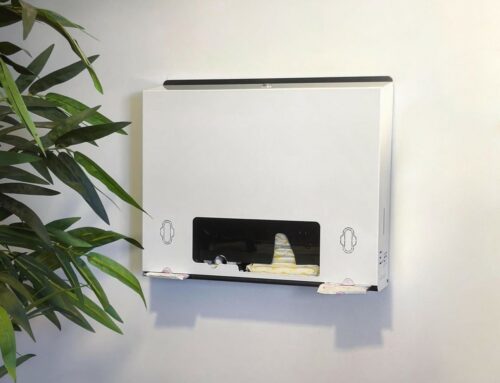
One of the most effective ways to improve tampon safety is through the installation of tampon and pad dispensers in workplace and public restrooms.
Compared to open baskets or ad-hoc solutions, dispensers offer:
- Protection against contamination
- Better hygiene control
- Consistent product availability
- A discreet and professional solution
Well-maintained dispensers play a crucial role in safe tampon use in public restrooms, especially in high-traffic environments.
Improving Menstrual Product Access in the Workplace
Menstrual product access is a key factor in ensuring workplace equality. Employees should not have to leave the workplace or rely on colleagues to manage a basic biological need.
Best practices for improving access include:
- Providing free period products in all women’s and gender-neutral restrooms
- Ensuring availability throughout the workday
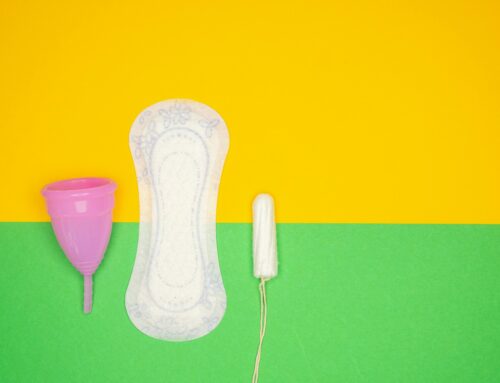
- Offering a choice of tampons and pads
- Clearly communicating product availability
Easy and reliable access reduces stress and supports healthier menstrual habits.
Hygiene Best Practices in the Workplace
Maintaining high hygiene best practices in the workplace is essential for ensuring tampon safety and user confidence.
- Clean and Well-Maintained Restrooms
Regular cleaning schedules help prevent contamination and create a safe environment for tampon use.
- Secure Product Storage
Tampons should be stored in closed, purpose-built dispensers rather than exposed containers.
- Regular Refilling and Maintenance
Empty dispensers undermine trust and discourage use. Restocking should be proactive.
- Clear Communication
Signage or internal communication can inform employees that period products are available.
- Inclusive Policies
Menstrual hygiene initiatives should be integrated into broader health and wellbeing policies.
These practices contribute to effective public restroom hygiene solutions.
Period Products in Restrooms: A New Workplace Standard
Providing period products in restrooms is increasingly seen as a basic amenity, similar to soap or toilet paper. What was once considered a benefit is now becoming a standard expectation.
This shift is driven by:
- Greater awareness of menstrual health
- Conversations around period poverty
- Changing expectations of workplace wellbeing
- Increased focus on inclusive design
Employers who adopt this standard demonstrate leadership and social responsibility.
Public Restroom Hygiene Solutions for Menstrual Care
Effective public restroom hygiene solutions address both cleanliness and accessibility. In the context of menstrual hygiene, this means ensuring that restrooms are equipped to support safe tampon use at all times.
Key elements include:
- Hygienic tampon and pad dispensers
- Regular cleaning and inspections
- Waste disposal solutions for menstrual products
- Clear responsibility for maintenance
Together, these measures support menstrual hygiene in public spaces and improve overall restroom quality.
Why Tampon Safety Matters in the Workplace
Tampon safety is not just a health issue it is a workplace culture issue. When employees feel that their basic needs are acknowledged and supported, they are more likely to feel valued and engaged.
Failing to address tampon safety can:
- Undermine wellbeing initiatives
- Create unnecessary stress for employees
- Damage employer reputation
On the other hand, prioritising tampon safety sends a clear message of inclusion, respect, and care.
Conclusion: Creating Safer and More Inclusive Restrooms
Menstrual health at work are closely connected. Employers and public organisations have an opportunity to make a meaningful impact by improving menstrual product access and adopting robust hygiene best practices in the workplace.
Installing tampon and pad dispensers, ensuring clean facilities, and providing period products in restrooms are practical, cost-effective steps toward safer and more inclusive environments.
As expectations evolve, tampon safety in public restrooms is becoming a clear indicator of responsible, modern workplaces that truly care about employee wellbeing.