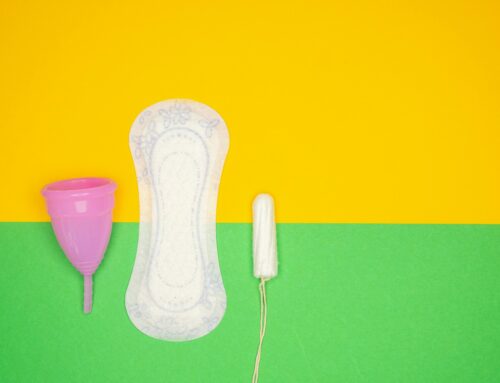

Menstrual hygiene is no longer a private or marginal topic it is a workplace issue, a public health concern, and a matter of dignity and equality. Across the UK, companies, institutions, and local authorities are increasingly recognising the importance of tampon safety and access to menstrual products in public and professional environments.
Providing safe, hygienic, and accessible period products in toilets is not just a gesture of inclusion. It directly impacts employee wellbeing, productivity, and the overall perception of an organisation’s commitment to health and equality.
This article explores why tampon safety in public toilets matters, how menstrual hygiene in public spaces can be improved, and what best practices UK workplaces should adopt to support menstrual wellbeing at work.
Understanding Tampon Safety in Public Toilets
Tampon safety refers to the hygienic storage, distribution, and use of tampons in shared environments such as workplaces, public buildings, schools, and transport hubs. While tampons are medically safe when used correctly, their safety can be compromised by poor hygiene conditions, inadequate storage, or limited access.
In many public toilets, period products are either unavailable or distributed in ways that raise hygiene concerns. Loose products, open boxes, or poorly maintained dispensers can expose tampons to moisture, bacteria, or contamination.
Ensuring tampon use in public toilets is safe requires more than simply making products available. It involves infrastructure, maintenance, education, and clear hygiene standards.
Menstrual Hygiene in Public Spaces: A Growing Public Health Issue
Menstrual hygiene in public spaces is an essential component of inclusive urban and workplace design. Public toilets are used by thousands of people every day, yet many are not equipped to meet basic menstrual needs.
When individuals cannot access clean period products, they may:
- Prolong the use of a single tampon or pad
- Avoid changing products as often as recommended
- Leave work or public spaces early
- Experience discomfort, anxiety, or health risks
These challenges are especially pronounced for people working long shifts, commuting, or spending extended periods in public environments.
Improving public toilet hygiene solutions helps ensure that menstruation does not become a barrier to participation in professional or social life.
Menstrual Hygiene in the Workplace: Why It Matters
Menstrual hygiene in the workplace directly affects employee wellbeing, engagement, and performance. Despite progress, menstruation is still often treated as a taboo topic in professional settings.
UK studies consistently show that lack of access to period products at work leads to:
- Reduced concentration and productivity
- Increased stress and discomfort
- Absenteeism or early departure from work
- A feeling of exclusion or neglect
By prioritising period products in toilets, employers send a clear message: menstrual health is part of workplace health.
Menstrual Wellbeing at Work and Employer Responsibility
Menstrual wellbeing at work goes beyond providing products. It reflects an organisation’s approach to equality, health, and inclusion.
Progressive employers understand that supporting menstrual health:
- Improves employee satisfaction and retention
- Strengthens employer branding
- Aligns with ESG and wellbeing strategies
- Demonstrates commitment to gender equity
Providing tampon and pad dispensers in workplace toilets is a simple yet powerful step toward normalising menstrual care as a standard hygiene need just like soap or toilet paper.
The Role of Tampon and Pad Dispensers
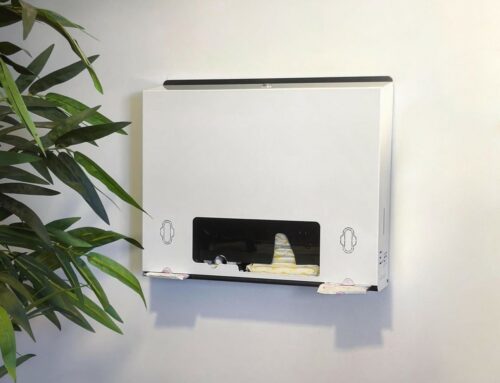
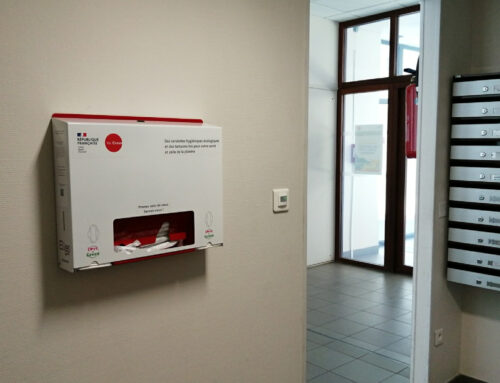
Modern tampon and pad dispensers are designed to ensure hygiene, accessibility, and discretion. Unlike loose product distribution, dispensers:
- Protect products from contamination
- Regulate access and usage
- Maintain cleanliness in shared toilets
- Create a consistent user experience
In UK workplaces, free-vend or low-cost dispensers are increasingly adopted in:
- Offices and corporate buildings
- Universities and schools
- Hospitals and healthcare facilities
- Transport hubs and public institutions
Well-maintained dispensers are central to safe tampon use in public toilets.
Improving Access to Menstrual Products
Access to menstrual products is a fundamental aspect of workplace inclusion. While UK legislation has improved access in schools and public buildings, many workplaces still lack clear policies.
Best practices for improving access include:
- Providing free period products in all women’s and gender-neutral toilets
- Ensuring availability throughout the working day
- Choosing hygienic, closed dispensers
- Including both tampons and pads to meet different needs
Easy access reduces stress and supports healthier menstrual habits.
Workplace Hygiene Best Practices for Menstrual Care
Implementing workplace hygiene best practices is essential to ensure both safety and trust. When it comes to menstrual products, this includes:
- Clean and Maintained Toilets
Regular cleaning schedules reduce contamination risks and improve user confidence.
- Secure Storage
Products should be stored in closed, purpose-built dispensers, not left on open surfaces.
- Regular Refilling
Empty dispensers undermine trust and discourage use. Maintenance should be proactive.
- Clear Signage
Informing employees that period products are available encourages normalisation and usage.
- Inclusive Policies
Menstrual hygiene initiatives should be part of broader wellbeing and DEI strategies.
These public toilet hygiene solutions help create safe and respectful environments.
Period Products in Toilets: A New Standard
Providing period products in toilets is increasingly viewed as a basic facility, not an optional benefit. Just as workplaces supply soap, paper towels, and hand sanitiser, menstrual products should be part of standard toilet amenities.
This shift reflects broader societal changes:
- Greater awareness of menstrual health
- Recognition of period poverty
- Emphasis on wellbeing at work
- Demand for inclusive facilities
UK employers who adopt this standard position themselves as forward-thinking and socially responsible.
Why Public Toilets Should Provide Safe Period Products
Public toilets play a critical role in daily life, especially for commuters, shift workers, and people without easy access to private facilities.
Providing safe period products in public toilets:
- Supports public health
- Reduces inequality
- Encourages proper menstrual hygiene
- Enhances user experience and trust
Safe tampon use in public toilets depends on consistent availability and hygiene-focused solutions.
Conclusion: Building Safer, More Inclusive Toilets
Menstrual hygiene in the workplace are interconnected issues that demand practical solutions. By investing in hygienic tampon and pad dispensers, improving access to menstrual products, and adopting clear workplace hygiene best practices, UK organisations can make a meaningful difference.
Supporting menstrual wellbeing at work is not only about comfort it is about dignity, equality, and health. As expectations evolve, providing safe period products in toilets is becoming a clear marker of responsible, inclusive workplaces.